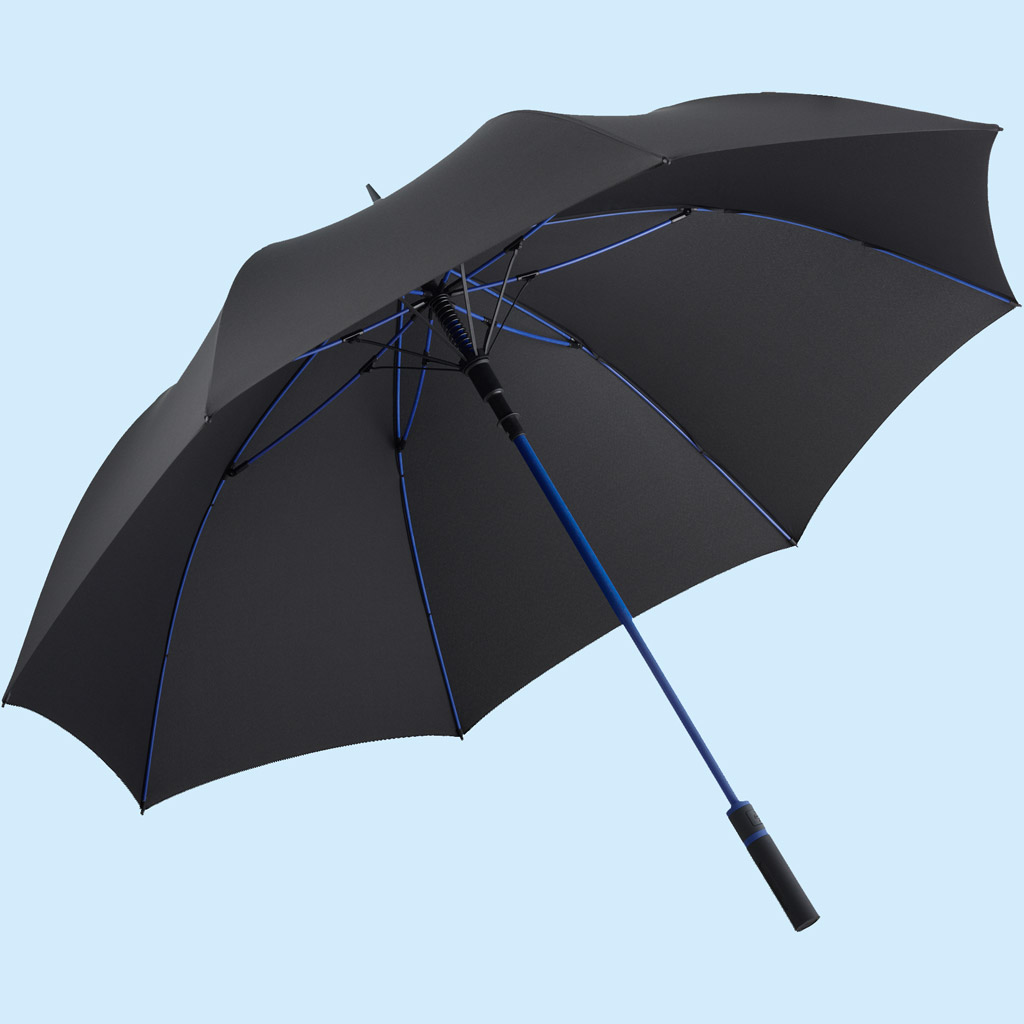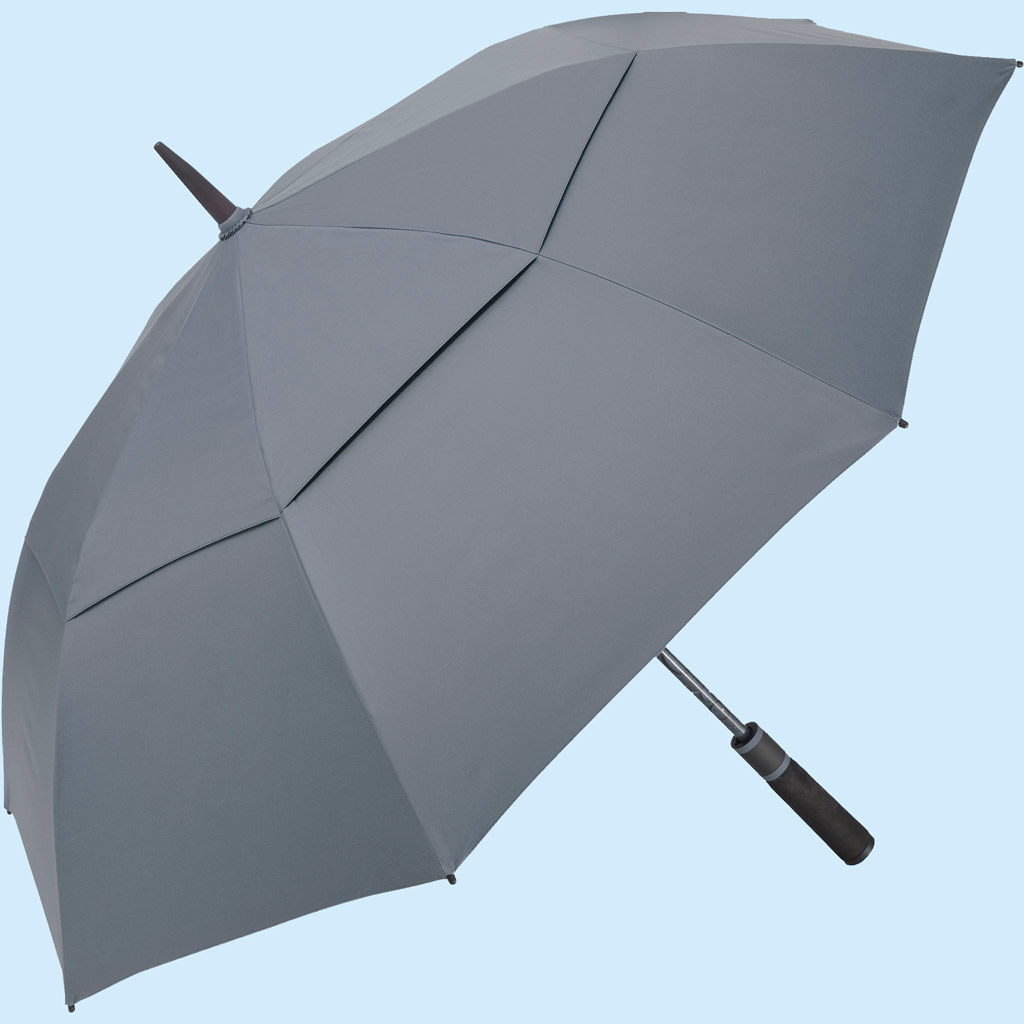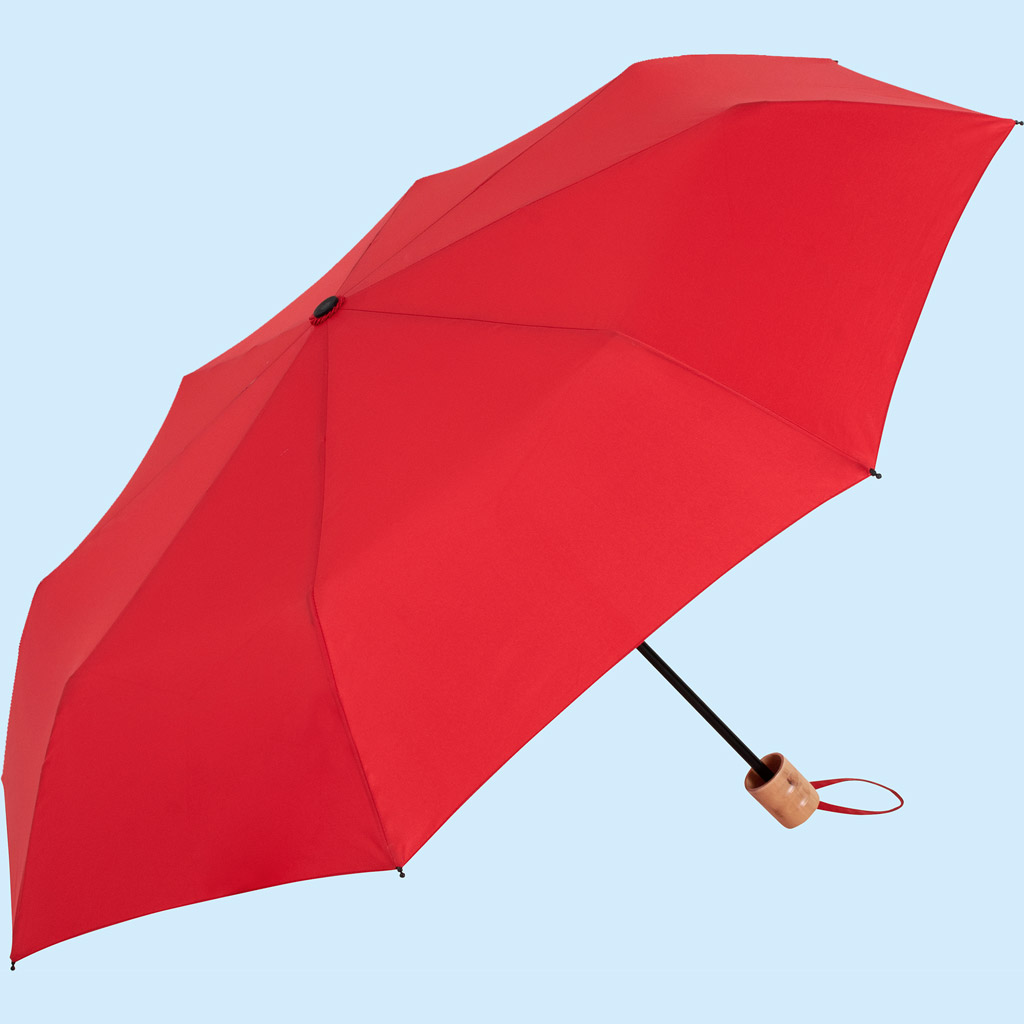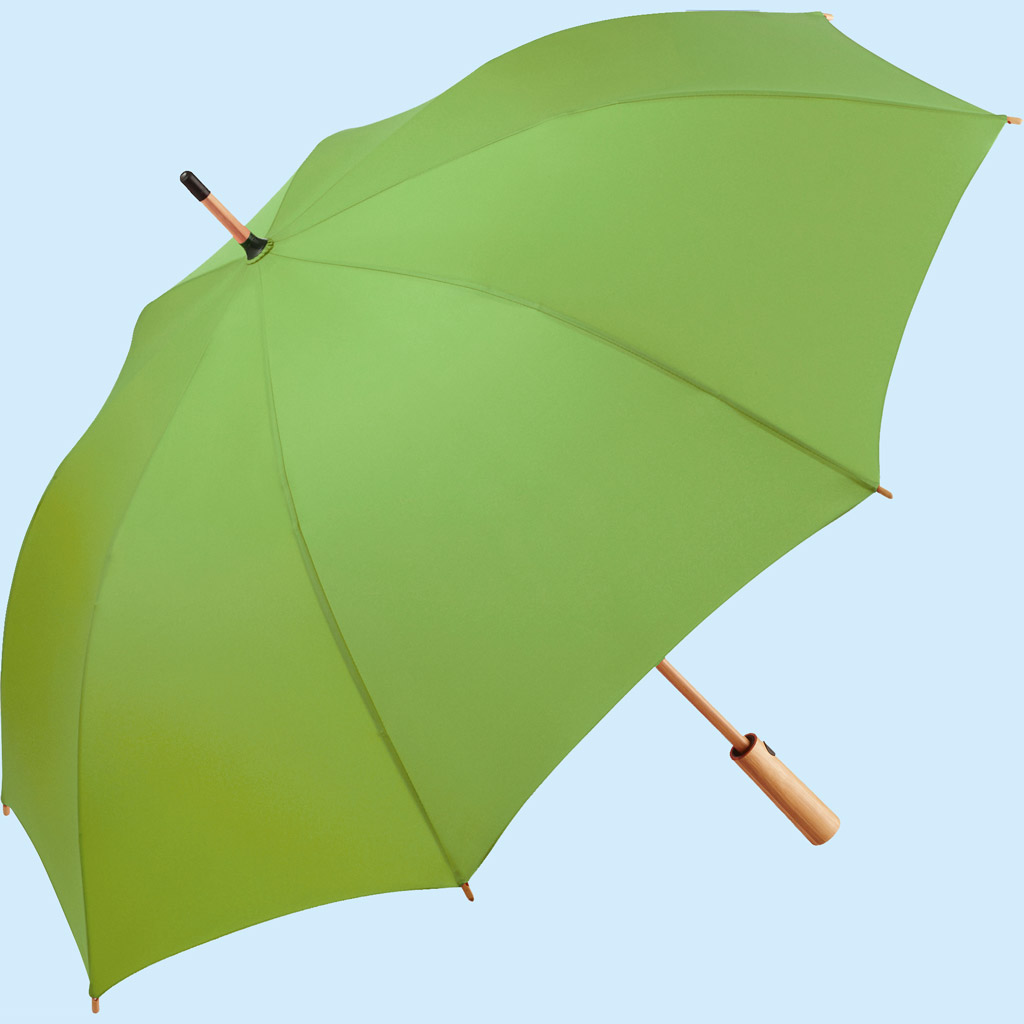

waterSAVE® cover material
How resource-efficient are FARE products actually?
This is a question that customers and consumers are often unable to answer because they are denied access to the relevant information. Yet it is entirely understandable that people would want to make an informed decision for or against a product based on reliable facts. We explain the material used in our waterSAVE® umbrellas – which will certainly make choosing a FARE umbrella a very easy decision.
Don't leave the environment out in the cold
This is an omnipresent topic that is almost impossible to ignore: Because environmental protection concerns us all. As a family business with more than 70 years of tradition, we want to take responsibility and drive innovation.
In our search for new, advanced technologies, we became aware of a revolutionary dyeing process that can drastically reduce both the consumption of energy and valuable raw materials and the pollution of the environment with harmful substances. This is exactly the kind of progress we want to see in FARE production.
The idea gave rise to our certified waterSAVE® cover material, which is now being used for the first time on the popular Style series, Colorline umbrellas, the ÖkoBrella umbrellas and the new FARE® Steel.
This is what we achieve with waterSAVE®

98%
Less sewege sludge
70%
Energy reduction
60%
Emission reduction
6 litres
Water saving per umbrella*

Resource-efficient in the colour of your choice
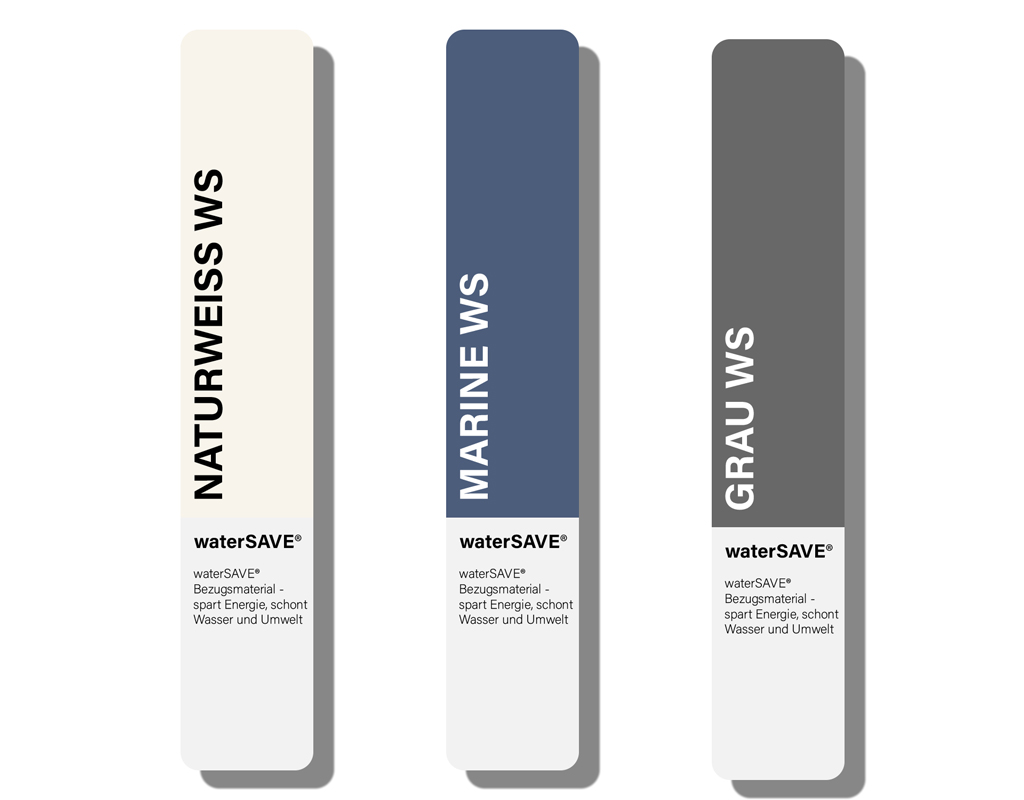
Our covers now bring more color into play
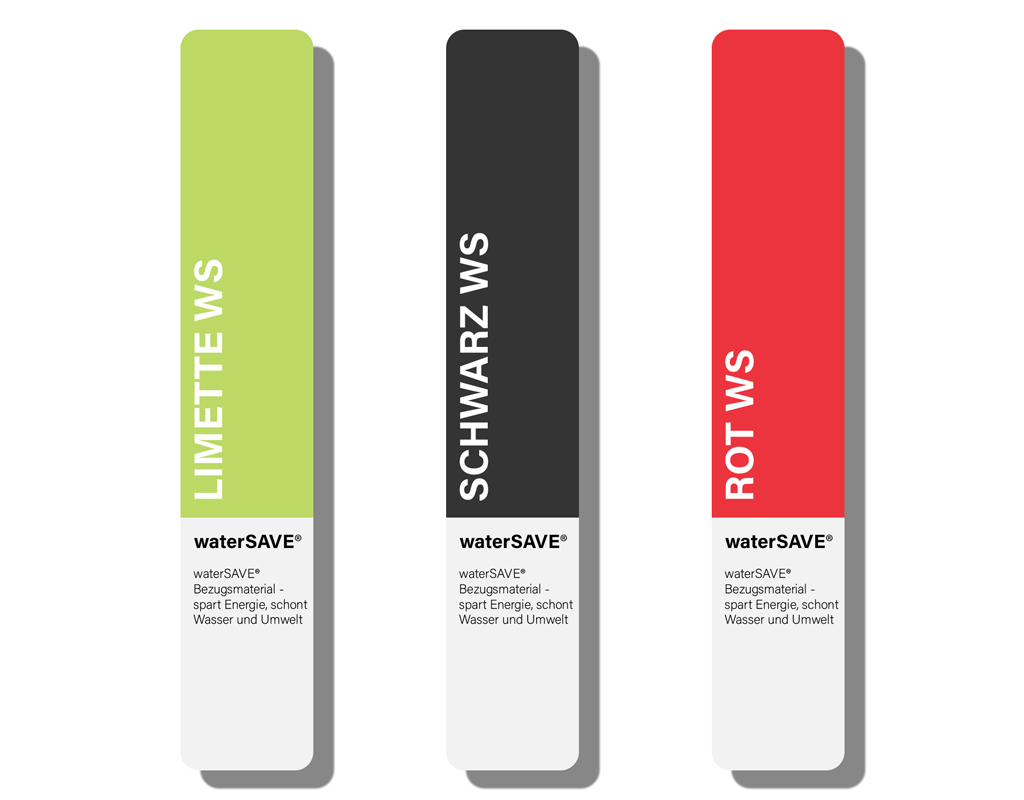
"Black only" was 2021. Now our FARE umbrellas with waterSAVE® cover material are available in a total of six different standard colors, including bright fresh shades like red and lime, natural white, navy, gray and black. In this way, the umbrellas can be perfectly color-coordinated with individual wishes.
How waterSAVE® cover material is created
The small, subtle difference
The classic dyeing process for textiles is identical both for fabrics for an umbrella cover and for the production of clothing. First, the required fibers are produced and woven into the finished fabric. Only in a second step is the finished fabric dyed using large amounts of fresh water, chemicals and energy, with the color pigments merely being fixed to the fiber surface. The fabric must then be dried again, and the contaminated water must be laboriously recycled or purified.As a basis for our waterSAVE® cover material, we use a granulate obtained from recycled plastic waste. The fiber is completely dyed during the actual production process (i.e. when the yarn is spun out). No water is required in the process, additional harmful chemicals can be largely dispensed with, and the drying time in energy-guzzling machines that would otherwise be necessary is also eliminated.
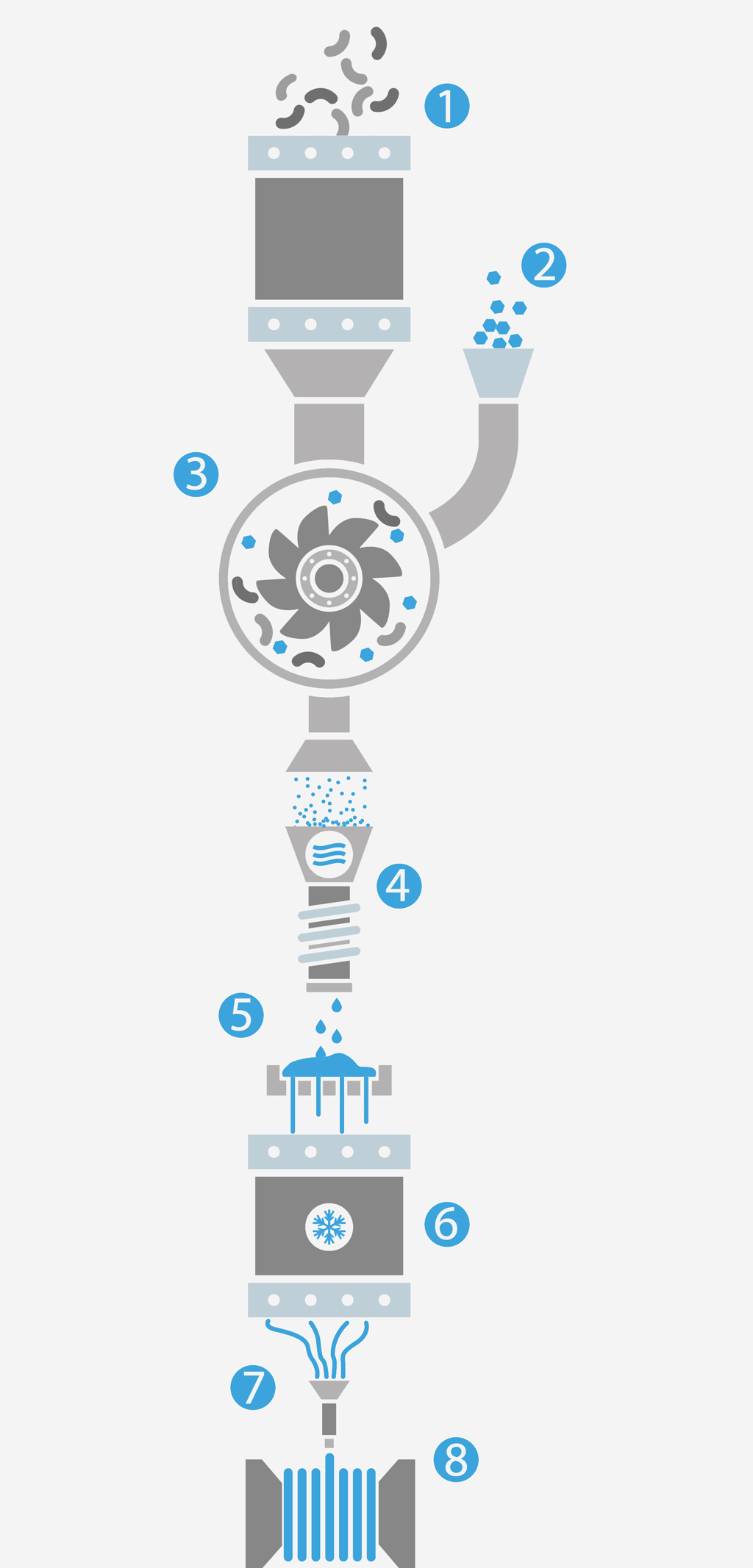
1. Recycled granules are collected in the silo.
2. Selected dry dye is added to a second silo.
3. The recycled granulate is mixed with the dry dyestuff in a mixing device.
4. The mixture is fed into a heated silo.
5. The powder is melted in it to a molten mass....
6. ...and pressed into threads through a spinneret.
7. These threads are then cooled...
8. ...and finally spun into yarn. Now the yarn can be processed into the waterSAVE® cover material.
PSI Innovator of the Year 2021
PSI Sustainability Award
At the PSI Sustainability Award Gala in January 2021, FARE was honored with the inaugural Innovator of the year award! We were overwhelmed to be the first winner of this new category with the use of our waterSAVE® cover material for the new AUDI advertising umbrella. The award still holds a special position among all prizes and awards.Our highlights with waterSAVE® cover material